— Flower Class Corvette, 1940–1942 —
A site of remembrance for the Flower Class Corvette Hollyhock, sunk by Japanese dive-bombers in the Indian Ocean on 9th April 1942, and for the 53 men — among them Stoker 1st Class Alfred John “Jack” Wickett — who never came home.
In honour of HMS Hollyhock (Pennant K64), built in 1940 by John Crown & Sons, Sunderland, and of my uncle Alfred John Wickett, Stoker First Class, who lost his life off the coast of Ceylon during active service when she was attacked by Japanese dive-bombers from Admiral Nagumo’s carrier strike force.

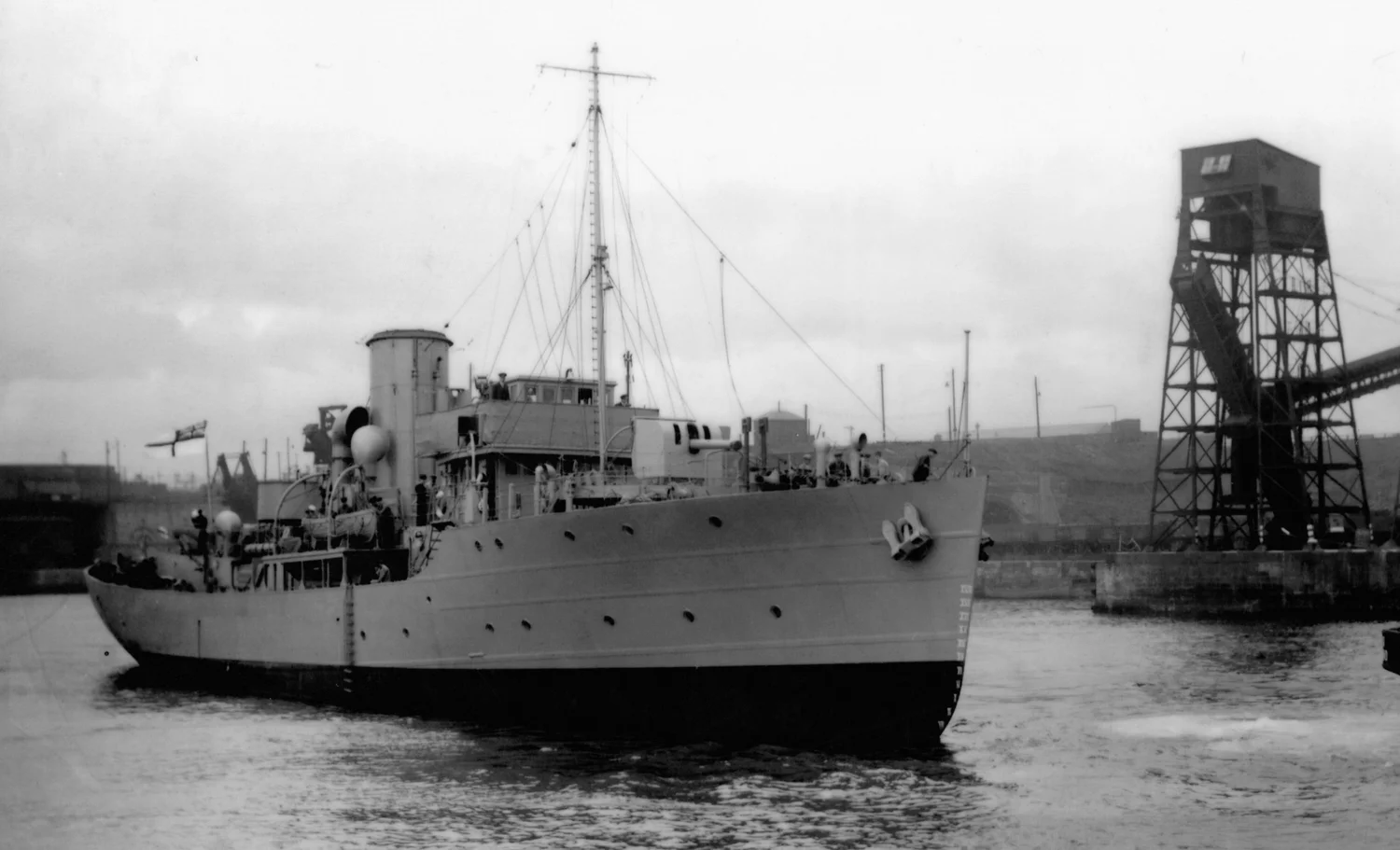
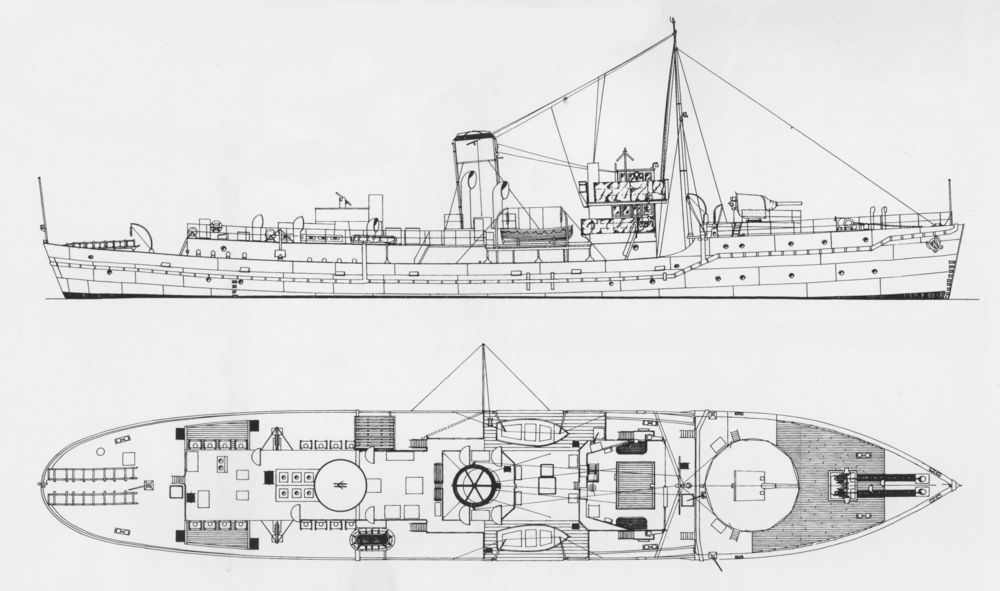
Built on the Wear, commissioned in 1940, and adopted by the town of Abergele. Her specifications, plans and origins.
Read ›
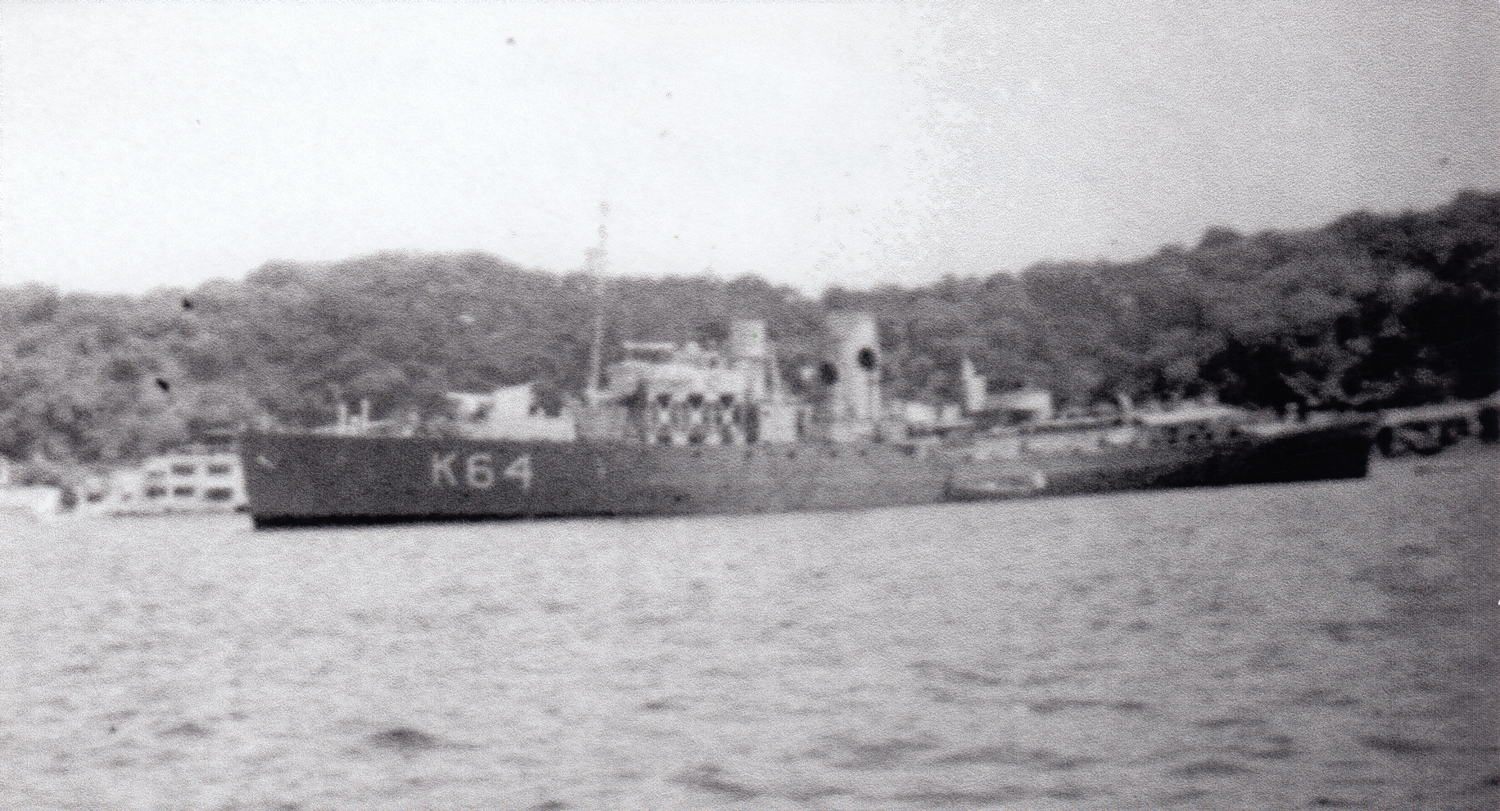
From the Western Approaches to the Indian Ocean — the convoys, refits and re-deployment to the Eastern Fleet.
Read ›
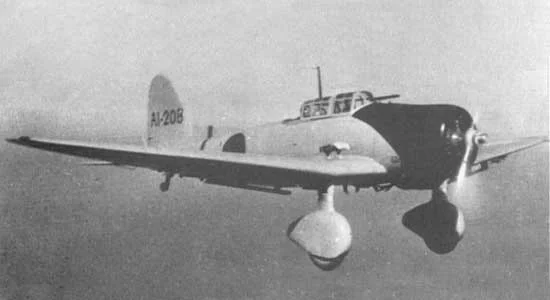
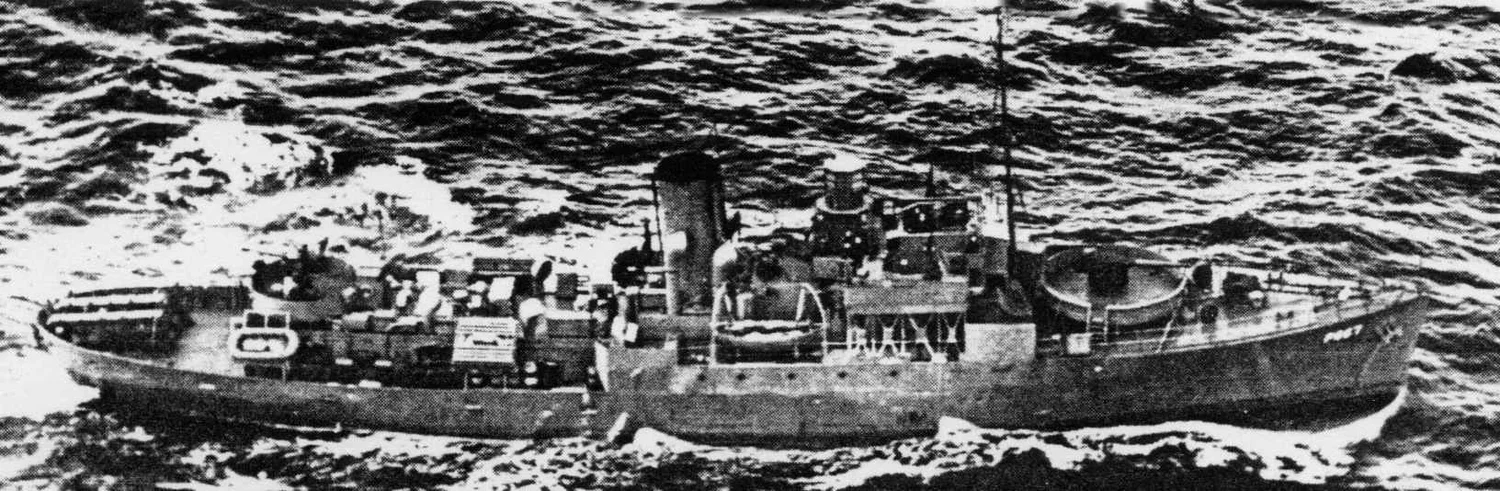
Eye-witness reports from Captain Moore of Athelstane and Sub-Lt. Humby on the morning the Hollyhock went down.
Read ›
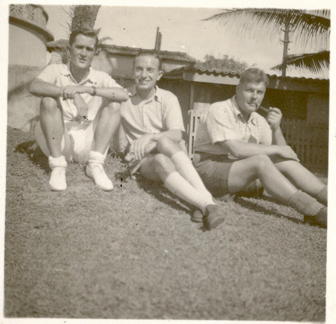
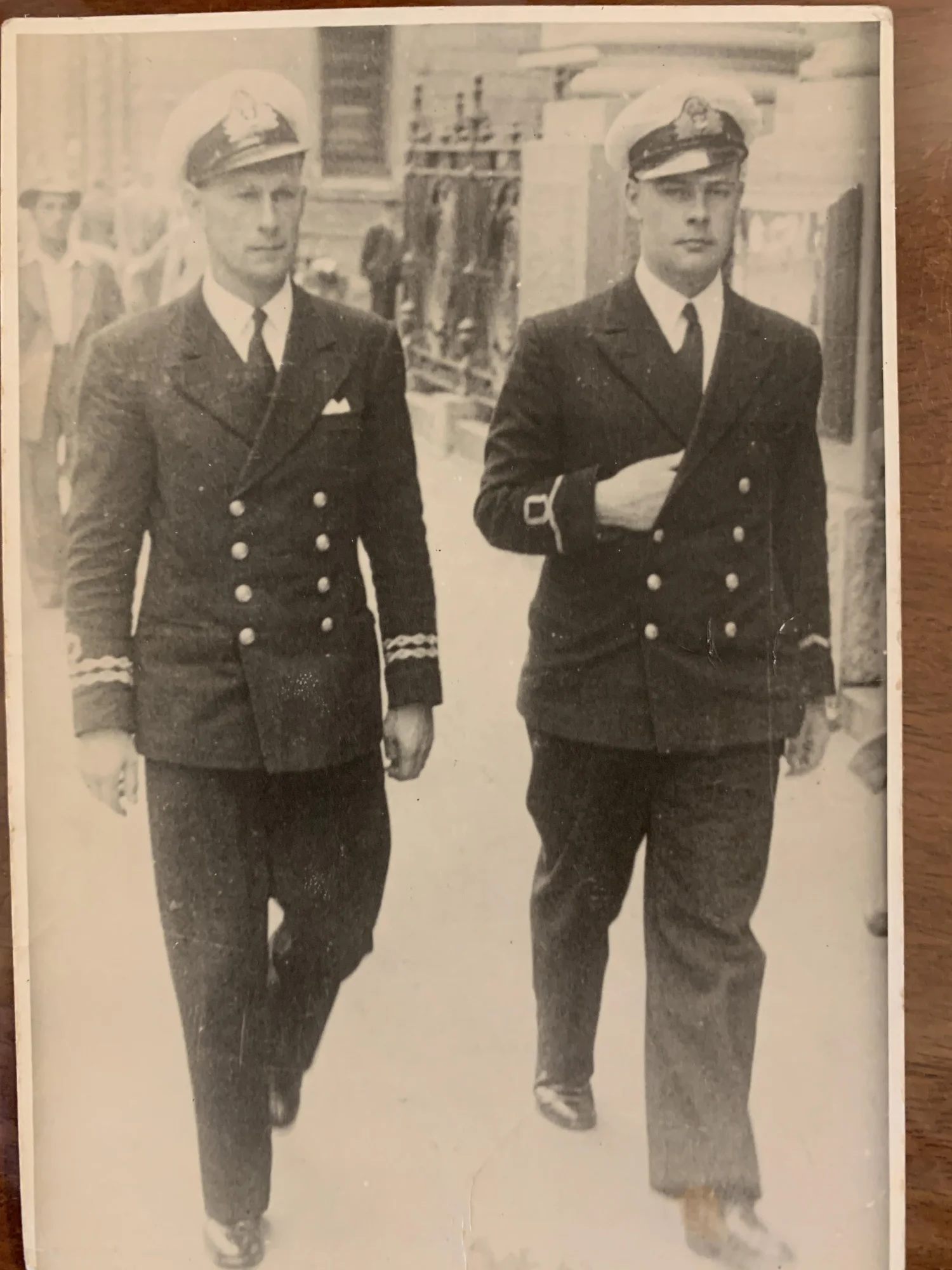
The sixteen who lived. Names, faces, and the diary of Sub-Lieutenant Dudley Knott telling of jungle escape and rescue.
Read ›
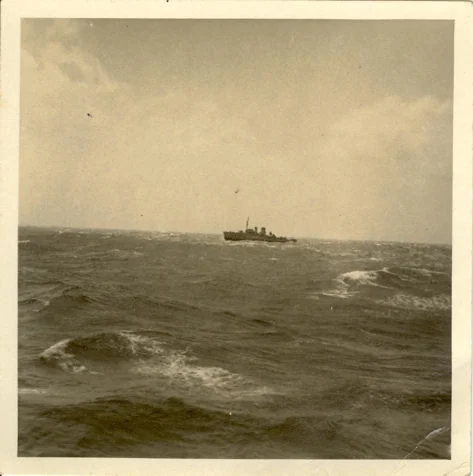
The 53 souls lost with the ship — remembered with honour at Portsmouth, Plymouth and Chatham Naval Memorials.
Read ›
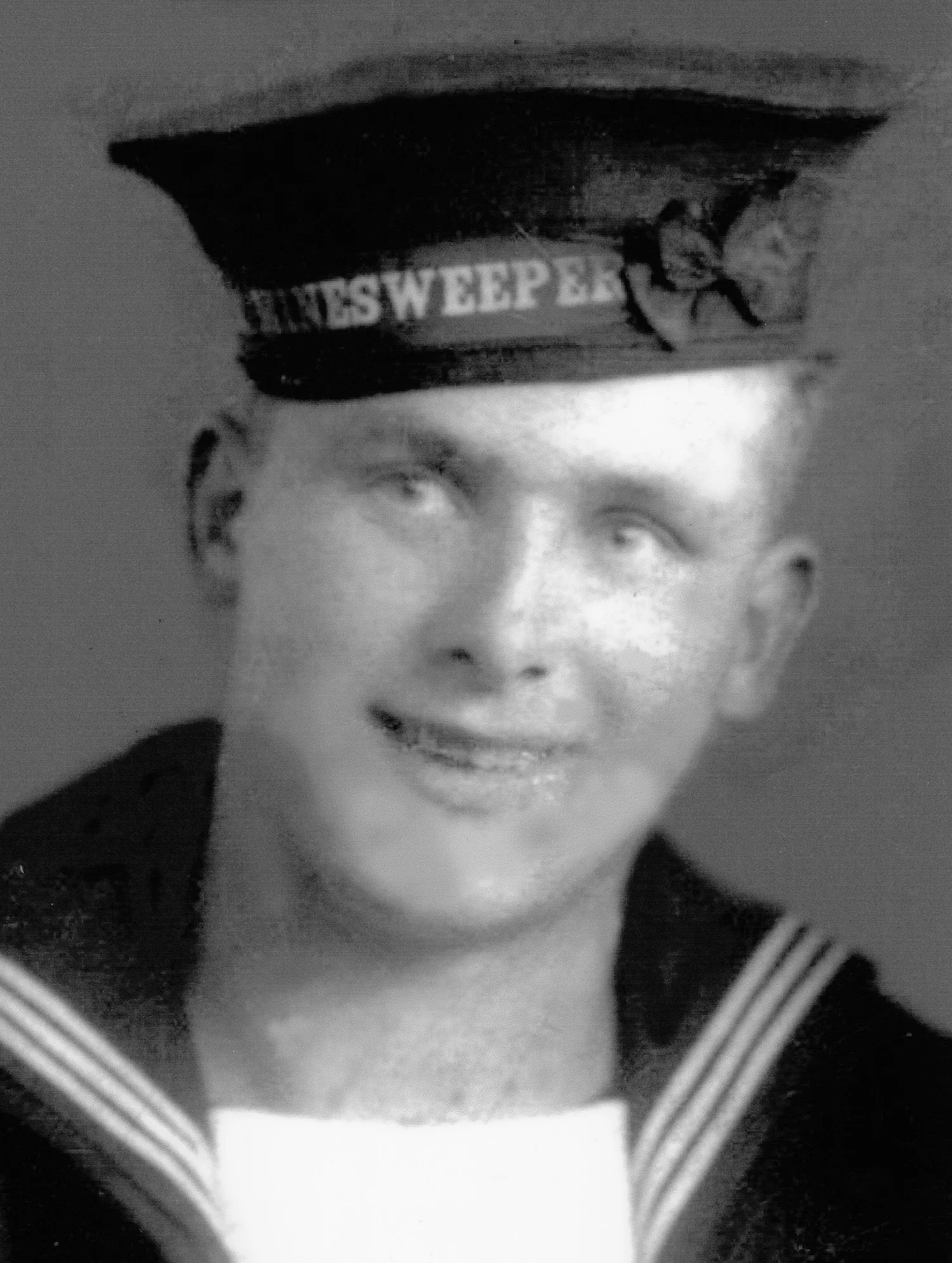
Alfred John Wickett, Stoker 1st Class (D/KX.104161): a Cornishman’s short naval career, 1940–1942.
Read ›The Flower Class Corvette was built for the Battle of the Atlantic — small, slow, rugged, and produced in numbers. Hollyhock, K64, was laid down at John Crown & Sons of Sunderland, fitted out by N.E. Marine and commissioned on 19 August 1940. She would later be modified for tropical service and reassigned to the East Indies Fleet in time for a war very different from the one she was designed to fight.

Jack’s first corvette — another Flower (K28), commissioned 1940, transferred to the US Navy as USS Ready.
Read ›
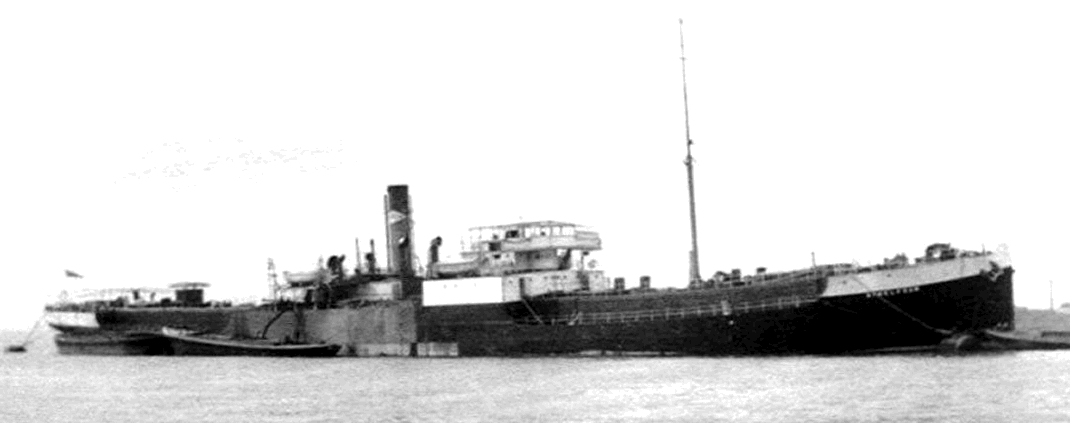
The molasses tanker Hollyhock was escorting. Sunk in the same attack — but her crew survived, and rescued Hollyhock’s.
Read ›
Photographs of the ship, her officers and crew — including images taken on the bottom of the Indian Ocean.
View ›Service records, war graves, ship’s logs, and the people and archives that help bring a name back into the light.